The Daniel Island Market at a Glance
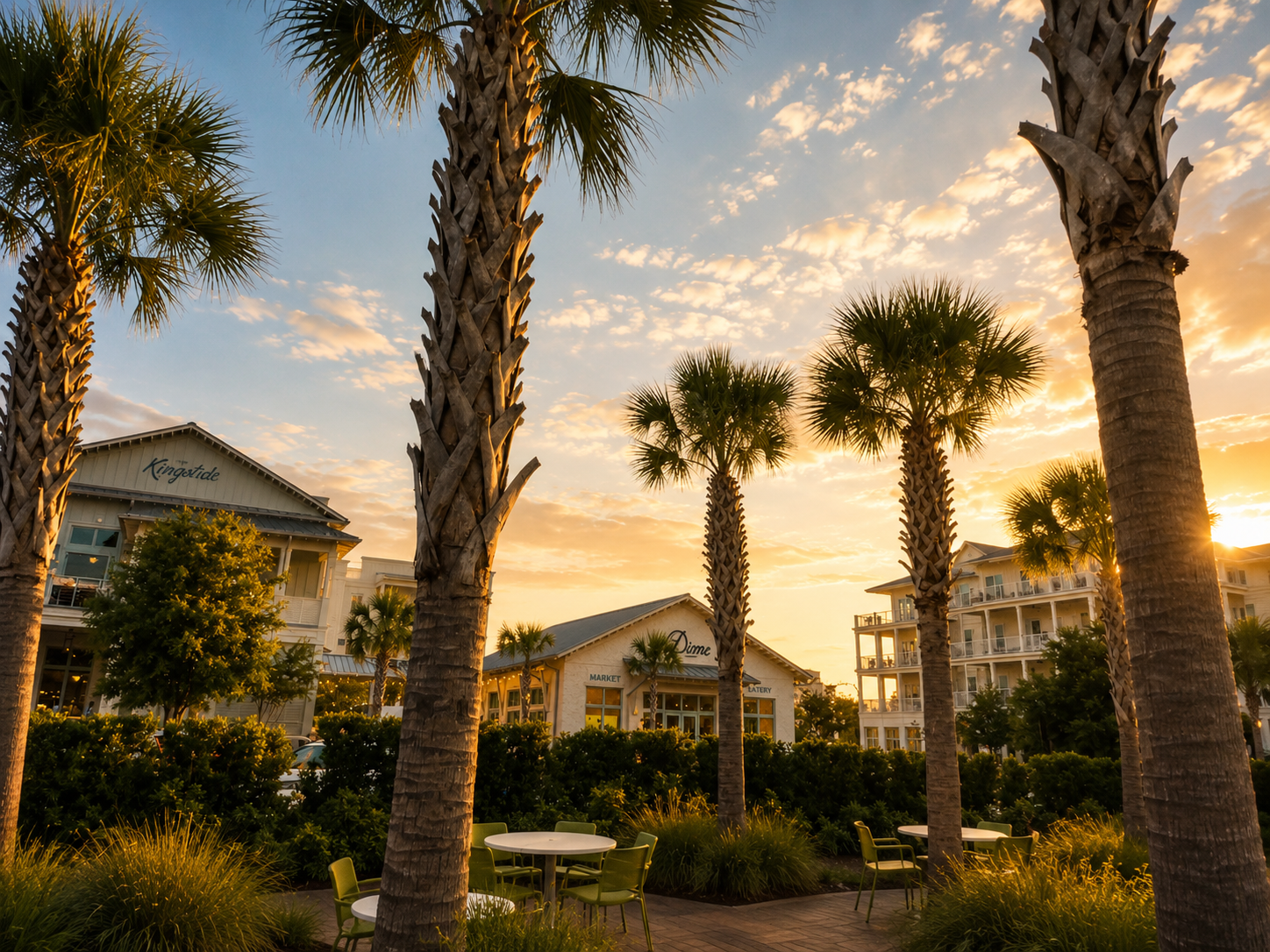
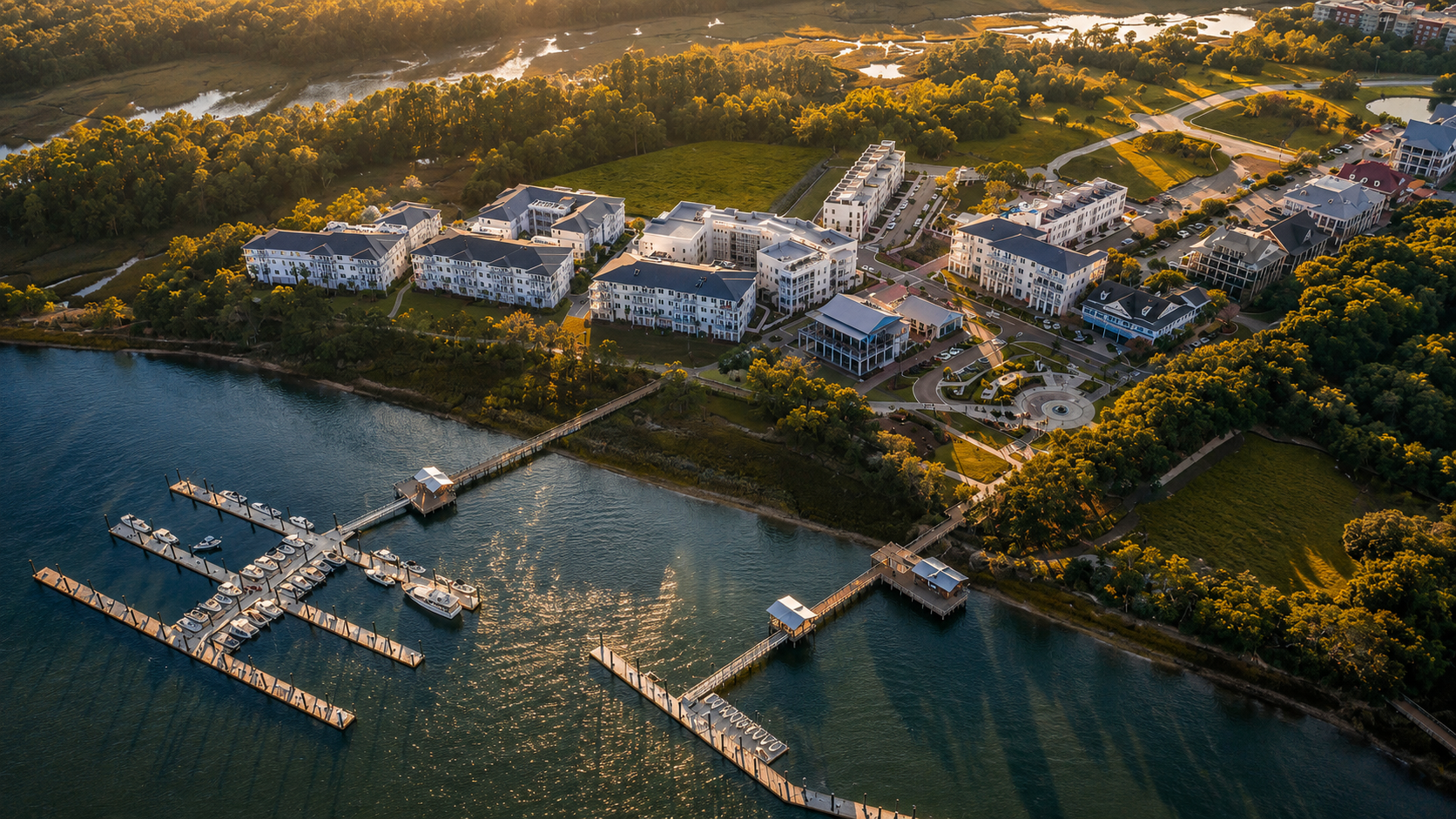
Daniel Island is a master-planned island town that is part of the city of Charleston, sitting between the Wando and Cooper rivers with its own 29492 zip code. It was developed in phases beginning in the late 1990s, so the housing stock ranges from established homes with mature landscaping to newer, more contemporary construction, plus a healthy supply of condos and townhomes.
As a whole, the island trades at a premium to the broader Charleston market. The combination of the planned community, the walkable town center, the on-island school, the deep-water access, and the amenities keeps demand strong and supports higher values. That premium is the single most important thing for buyers to understand going in, and it shapes every decision from neighborhood choice to budget.
Types of Homes on the Island
The island offers a genuinely broad mix of housing, which is one of its strengths. Understanding the categories helps you target your search efficiently rather than getting overwhelmed by the price spread.
Condos and townhomes
Condos and townhomes are the most accessible entry point to Daniel Island. Many cluster near the walkable town center, making them ideal for buyers who want the island lifestyle with less maintenance. They still carry a premium tied to the island, but they represent the lower end of the price range.
Single-family homes in the villages
The bulk of the island is single-family homes in the residential villages, with the classic Daniel Island look of porches, sidewalks, and alley-loaded garages. These range from modest cottages to substantial single-family homes and are the sweet spot for most buyers relocating to the island. Proximity to Daniel Island School and the parks adds to their appeal.
Waterfront and golf-front luxury
At the top of the market are the waterfront estates along the Wando and Cooper rivers and the golf-front homes associated with the Daniel Island Club. These properties, many with deep-water docks and sweeping views, represent the island's luxury tier and command significant premiums. They compete directly with the finest luxury and waterfront homes in Mount Pleasant and the barrier islands.
Understanding the Price Tiers
Rather than a single price, think of Daniel Island as a ladder. Condos and townhomes occupy the lower rungs, single-family village homes make up the broad middle, and waterfront and golf-front luxury estates sit at the top. The gap between the bottom and top of that ladder is substantial, which is why setting realistic expectations early matters so much.
Because market conditions change, I keep specific pricing conversations qualitative here and provide current figures directly to my clients when we start a search. What stays constant is the structure: the island rewards buyers who know which tier fits their budget and lifestyle, and who focus their search accordingly rather than trying to find a bargain that does not exist in a given segment.
Waterfront and Deep-Water Docks
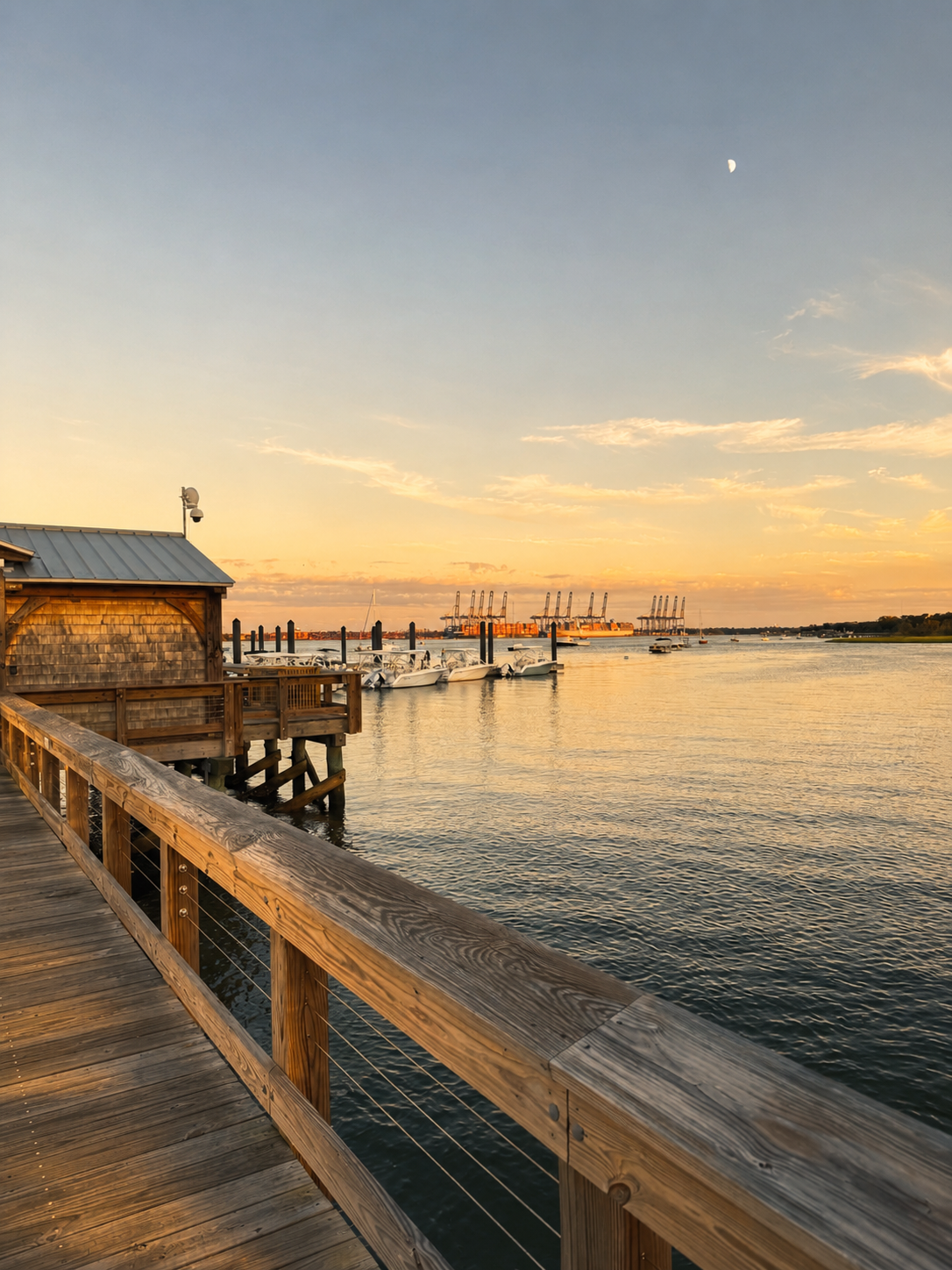
Deep-water access is one of Daniel Island's defining real estate features. Homes with deep-water docks allow owners to keep larger boats with reliable access to the harbor and open water, unaffected by the tides that limit many marsh-front properties elsewhere in the region. That capability commands a meaningful premium and is a primary motivator for a certain kind of buyer.
Not all waterfront is equal, though. Marsh-front and tidal-creek homes offer beautiful views and water access at a different price than true deep-water dockable properties. When boating is central to your goals, it is worth being precise about the difference, because it has a large impact on both price and the kind of boating you can actually do. This is an area where working with an agent who knows the island's waterways pays off.
HOAs, Dues, and Ongoing Costs
Buying on Daniel Island means factoring in more than the purchase price. Homeowner and community association dues support the amenities, landscaping, and standards that keep the island polished, and they are a real line item in your budget. Those considering golf and club amenities should also account for Daniel Island Club membership costs.
On the positive side, South Carolina's property tax treatment is relatively favorable for primary residents thanks to the owner-occupied assessment ratio, which helps offset the island's higher home values. Buyers should also weigh flood insurance considerations given the waterfront setting, and confirm specifics for any property. Understanding the full carrying cost, not just the mortgage, is essential to buying comfortably here.
How to Buy on Daniel Island
The buying process on Daniel Island mirrors the rest of the Charleston market, but a few island-specific factors deserve attention. First, get clear on your target tier and neighborhood before you shop, since the price spread is so wide. Second, understand the association rules and dues for any property, because they vary and affect both cost and lifestyle. Third, if the water is a priority, verify exactly what kind of dock and access a property has.
Because desirable island inventory can move quickly, having financing lined up and an agent who knows the market gives you a real edge. I always encourage buyers to tour multiple sections in one visit to calibrate value across tiers, and to compare the island honestly against alternatives like Mount Pleasant, West Ashley, and Downtown Charleston so they feel confident in the decision.
Renting Before You Buy
Not every path to Daniel Island starts with a purchase. Some buyers rent on the island first to test whether the lifestyle truly fits before committing to a home, and I often think that is a smart move for anyone relocating from far away. A few months of living here tells you far more than any number of visits could, from how you feel about the walkable town center to how the commute actually lands during rush hour.
Rental inventory on Daniel Island tends to be limited and, like the sale market, carries a premium reflecting the island's desirability. Condos, townhomes, and some single-family homes come up for rent, but availability can be tight, so it pays to start looking early and be ready to move quickly. For buyers timing a school-year move or relocating on short notice, lining up a rental can be the difference between a smooth transition and a stressful scramble. Renting also buys you time to shop the sale market patiently and compare the island honestly with Mount Pleasant and other areas before you buy.
Is Daniel Island a Good Investment?
Daniel Island has historically held its value well, and the reasons are structural: limited land on a built-out island, strong ongoing demand, an on-island school, and amenities that are difficult to replicate. Master-planned communities with this kind of cohesion and location tend to remain sought after over time.
As with any real estate, I keep market predictions qualitative and grounded. Values respond to broader conditions, and no location is immune to cycles. But for buyers planning to live on the island and enjoy the lifestyle, the combination of desirability and constrained supply makes Daniel Island a fundamentally sound place to own. The newer Point Hope community in nearby Cainhoy has expanded regional options, but it does not replicate the specific island character that keeps Daniel Island in high demand.
Final Advice for Buyers
The smartest Daniel Island buyers are the ones who go in informed: they know the island trades at a premium, they understand the tiers, they factor in dues and carrying costs, and they are precise about their must-haves, whether that is walkability to the town center, proximity to Daniel Island School, or true deep-water dock access.
If you are considering the island, my advice is to spend real time here, tour across the tiers, and get honest guidance on how far your budget goes on Daniel Island versus Mount Pleasant or Downtown Charleston. That clarity is what turns a stressful search into a confident purchase, and I am always happy to help you navigate it.