The Short Version
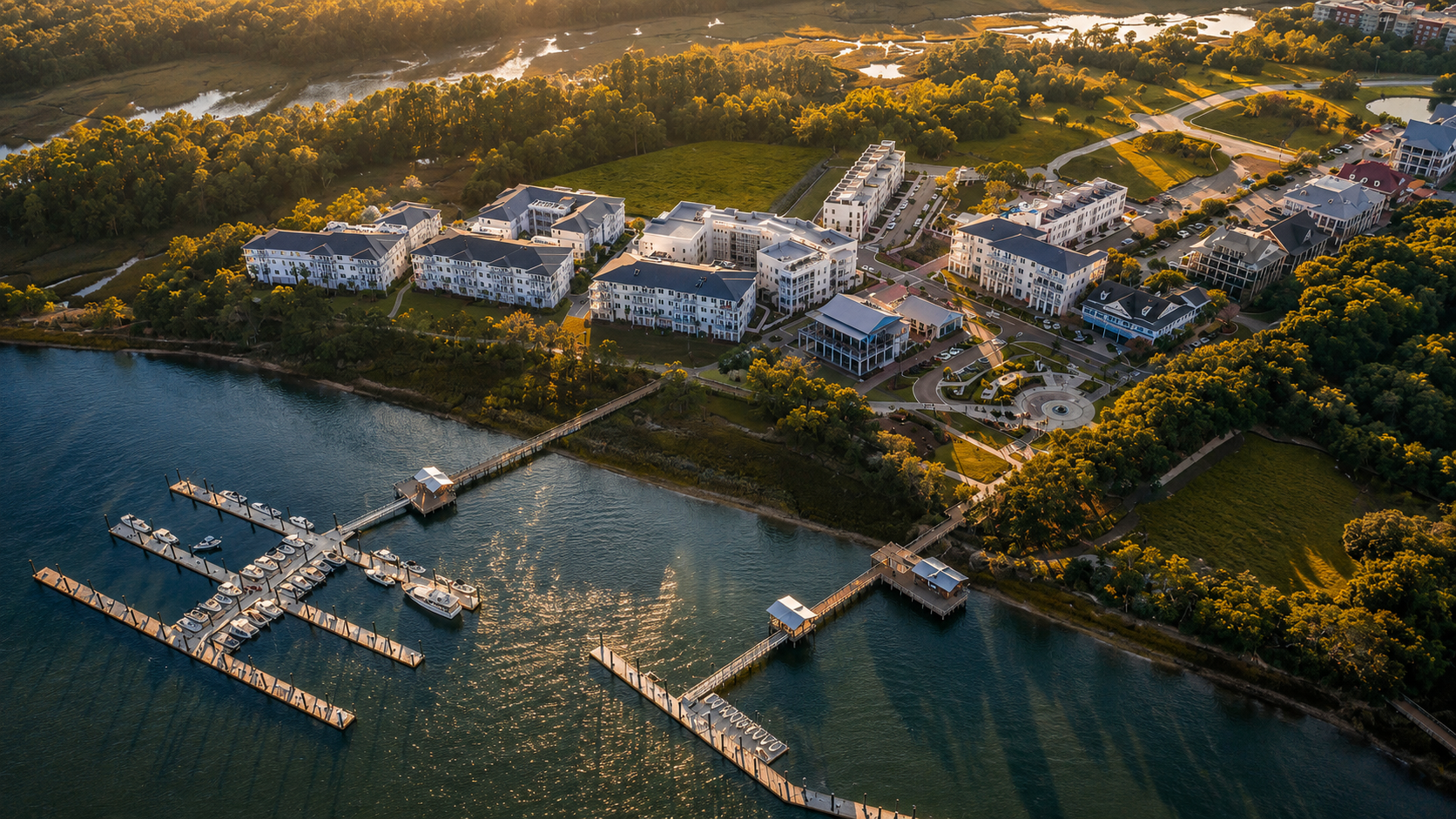
Daniel Island is a master-planned island town that is part of the city of Charleston, with its own 29492 zip code, a neighborhood K-8 school, a walkable town center, deep-water docks, golf, and a world-class tennis and concert venue in Credit One Stadium. Those strengths make it a standout for boaters and anyone craving a strong sense of community.
The trade-offs are cost, homeowner association rules, and the reality that it is not Downtown Charleston. If you want the lowest possible price, total freedom over your property, or the energy of the historic peninsula, the island may frustrate you. The rest of this guide digs into each side in detail.
Pro: Strong Community and Walkability
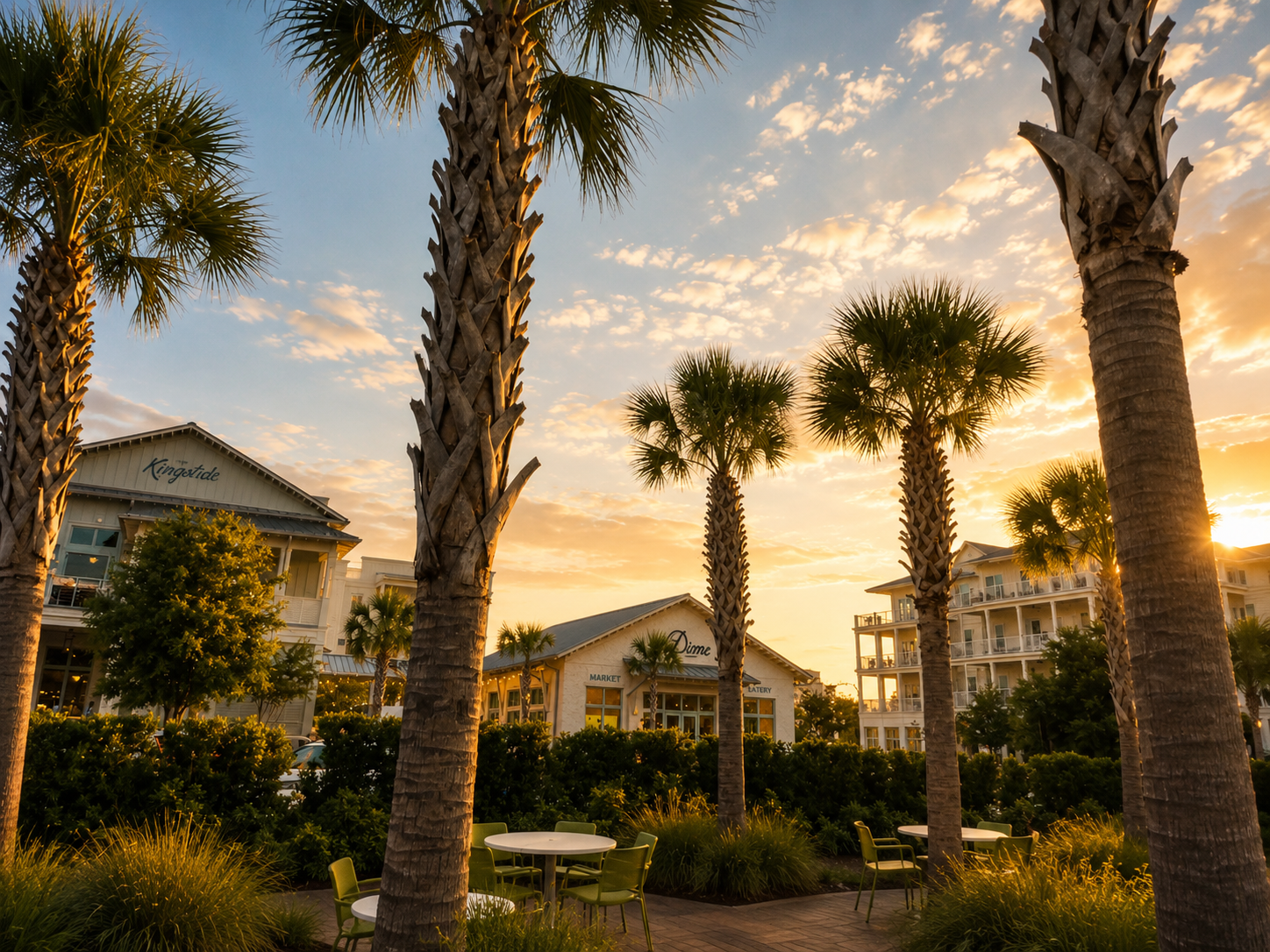
The community feel is the number one thing residents rave about. Because the island was designed around walking and gathering, neighbors actually know each other. You run into familiar faces at the coffee shop, the farmers market, and the ball fields. For buyers relocating from larger, more anonymous cities, this rediscovered sense of belonging is often the deciding factor.
Walkability reinforces that community. Sidewalks connect the villages to the town center, dedicated separated bike paths support cycling, and golf carts are a common sight. Being able to walk to a neighborhood school or stroll to dinner is rare in the Charleston suburbs and is one of Daniel Island's most distinctive advantages.
That design also pays off in quality-of-life details that are easy to overlook until you live them. You can bike to the pool or a neighbor's without getting in the car, errands that would be a car trip elsewhere become a pleasant walk, and the steady presence of people out and about makes the whole island feel active and alive. Buyers coming from car-dependent suburbs are often struck by how much time they get back and how much more they see their neighbors.
Pro: Schools On the Island
Having Daniel Island School, a public K-8 school, right on the island is a major draw. Many students can walk or bike to class, which adds to the small-town atmosphere and simplifies daily logistics. Bishop England High School, a private school, is also located on Daniel Island, giving residents an option close to home.
For buyers who prioritize proximity to schools, this concentration of schools within the community is hard to match elsewhere in the region. Buyers are encouraged to verify school assignments and review the latest information directly through the school district and South Carolina Department of Education, since boundaries can shift, but the on-island options remain a genuine strength.
Pro: Boating, Golf, and Amenities
As an island wrapped by the Wando and Cooper rivers, Daniel Island offers deep-water docks that let boaters keep larger vessels with reliable access to the harbor and open water. That is a serious advantage over marsh-front locations where tides limit access.
Beyond boating, the amenities run deep: the Daniel Island Club for golf and social life, miles of trails, parks, pools, tennis, and pickleball, and Credit One Stadium hosting the Charleston Open tennis tournament and concerts. Few residential communities of this size can claim a professional sports and entertainment venue within their borders.
Pro: Convenient Location
Daniel Island's proximity to Interstate 526 makes it easy to reach Mount Pleasant, North Charleston, and especially the airport, which is genuinely close. Downtown Charleston is roughly twenty to thirty minutes away depending on traffic. For anyone who travels frequently, the airport access alone is a meaningful perk.
The island is also largely self-contained, with its own grocery stores, restaurants, medical offices, and services, so you can handle most daily needs without leaving. The nearby Point Hope community in Cainhoy has added even more shopping and services just off the island, improving convenience further.
Pro: Low-Maintenance, Well-Kept Living
One benefit that is easy to underestimate is how consistently well-kept the island is. Because the community associations enforce landscaping and maintenance standards, common areas, streets, and homes stay tidy year-round. That consistency is part of why the island photographs so well and why it holds its appeal over time. Residents who are tired of neighborhoods where upkeep varies wildly from house to house often find the uniform standards a relief rather than a burden.
The island's walkable design, active community presence, and self-contained layout give it a distinctive small-town character. Buyers should review public safety resources and crime information from local law enforcement agencies and other official sources based on their individual preferences. Combined with the maintained amenities and green spaces, the walkable layout creates a low-stress everyday environment that many buyers describe as the closest thing to small-town living they have found near a major city like Charleston.
Con: The Cost
The biggest drawback is price. Daniel Island is one of the more expensive places to live in the Charleston area, with home values above the regional average and luxury waterfront and golf-front properties reaching well into the high end. On top of the purchase price, buyers should budget for community association dues, and those who want golf and club amenities pay for Daniel Island Club membership.
For buyers on a tighter budget, the numbers can be prohibitive. Condos and townhomes offer a lower entry point, but even those tend to carry a premium tied to the island lifestyle. Some clients ultimately decide that comparable money stretches further in Mount Pleasant, West Ashley, or Summerville, and that is a fair conclusion depending on your priorities.
Con: Rules and Uniformity
A master-planned community comes with a rulebook. Homeowner and community associations govern everything from architecture and landscaping to parking and exterior changes. For many residents, those standards are exactly why the island looks so polished and holds its value. For others, the restrictions feel constraining, especially buyers coming from properties where they could do as they pleased.
There is also a degree of visual uniformity that comes with the planned aesthetic. Some people find it beautiful and cohesive; others miss the quirks and individuality of older neighborhoods like those Downtown Charleston is famous for. Neither reaction is wrong, but it is worth knowing where you land before you buy.
Con: Traffic and It Is Not Downtown
Charleston traffic is a regional reality, and Daniel Island is not exempt. Interstate 526 can back up at peak hours, and the limited number of access points on and off the island can create bottlenecks. The self-contained nature of the island softens this, but commuters should test the drive at rush hour before committing.
Finally, Daniel Island is not Downtown Charleston. If your dream is to walk out your door into the historic energy of King Street, the Battery, and centuries-old architecture, the island's newer, quieter, planned character will feel different. Many buyers happily trade that historic buzz for community and convenience, but it is an important expectation to set. Comparing a day on the island with a day in Mount Pleasant and Downtown Charleston is the best way to know which fits you.
The Verdict
Daniel Island earns its reputation. The community, schools, walkability, boating, and amenities create a lifestyle that is genuinely hard to replicate elsewhere in the Charleston area. For boaters and anyone who values a strong sense of place, the pros often outweigh the cons decisively.
But it is a premium product with premium expectations. If cost, association rules, or the desire for historic downtown living weigh heavily on you, the island may not be the right fit, and that is perfectly okay. The best way to decide is to spend real time here and compare it honestly against your other options. I am always glad to help you weigh the trade-offs against your budget and lifestyle.